
Steam on a Cold Day: A Guide to Enjoying Idaho's Hot Springs This Season
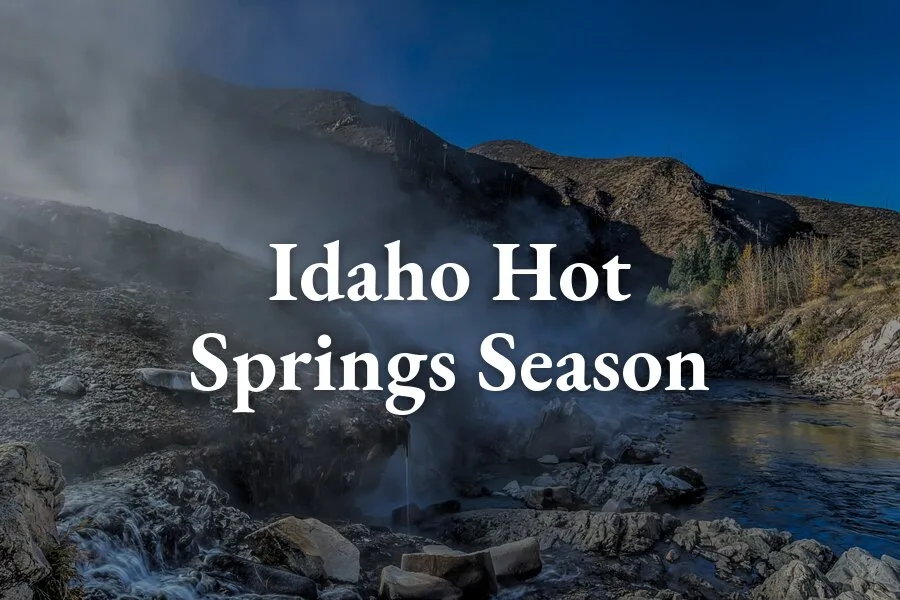
There's a stretch of the year in Idaho that doesn't get much attention. The leaves are down, the hiking boots are muddy, and the skis are still in the garage waiting for enough snow.
It's a great time to go for a soak. Few things beat sitting in naturally warm water while cold air nips at your nose and steam drifts off the surface. Idaho has a lot of hot springs, and late fall is one of the nicest times to visit them. Here's how to plan a trip that's relaxing, safe and kind to the places we share.
Why Late Fall Is a Sweet Spot
On a summer afternoon, a 100-degree pool can feel like too much. Once the air turns cold, that same water feels just right. The summer crowds have usually thinned out by now, and many mountain roads are still open before the deep snow arrives. Visit Idaho even keeps a list of hot springs to try in the colder months, which is a good place to start if you're looking for ideas around the state.
Just remember that a road that was easy in October can be icy by Thanksgiving.
Developed vs. Primitive: Know What You're Signing Up For
Idaho's hot springs fall into two broad groups, and they're very different experiences.
Developed hot springs are run as businesses or public facilities. They usually have built pools, changing rooms, restrooms and staff, and they charge admission. Some have lodging or camping. One well-known example is in Lava Hot Springs, where the properties were deeded to the State of Idaho in 1902 and are run today by the Lava Hot Springs Foundation. They're a good choice for first-timers or a stormy day when you'd rather not head into the backcountry. Hours, prices and reservation rules change, so check the facility's own website before you go.
Primitive hot springs are natural pools on public or sometimes private land. Usually nobody looks after them except the people who visit. There may be no restroom, no trash can and no cell signal. Getting there might mean a short walk from a highway pullout or a long hike on a trail that could be icy. Water temperature isn't controlled, so a pool can be lukewarm one week and too hot the next, depending on the weather and river levels.
Before You Go: Roads, Weather and Gear
1. Check the Roads the Day You Leave
The Idaho Transportation Department's Idaho 511 site and app show road conditions, closures, cameras, mountain passes and weather alerts. You can also dial 511 from anywhere in Idaho. Check it the morning you leave, not just when you start planning.
2. Don't Assume Back Roads Are Open
Higher-elevation forest roads may close or be left unplowed once snow arrives, and they can stay that way for months. If a spring is off the main highway, call the land management office for that area or check its website, and have a backup destination in mind.
3. Drive for the Season
Canyon roads can stay shady and icy long after the valley has thawed. Check your tires, keep the gas tank at least half full, and pack a winter car kit with blankets, water, snacks, a flashlight and a scraper. Tell someone where you're going and when you'll be back.
4. Pack for the Cold Part
Getting in is the easy part. Getting out is the hard part. Bring a warm towel, a hat, dry layers to change into, and sandals or boots with good traction for icy paths. A headlamp is useful because it gets dark early in November. Fall is also hunting season in much of Idaho, so bright clothing is a smart idea on trails.
Hot Springs Etiquette
Most of the unwritten rules come down to being a good neighbor.
- Share the space. If a pool is full, wait your turn or come back later. If people are waiting, keep your soak reasonable.
- Keep it quiet. Most people come for peace and quiet. Leave the speaker at home and keep your voice down.
- Leave glass in the car. Broken glass in a pool where people are barefoot is a real hazard.
- Know the rules about dogs. Some hot springs don't allow pets.
- Respect posted rules and private property. Some primitive springs sit on or next to private land. Park only where it's allowed and follow any signs.
Leave No Trace at the Springs
The Leave No Trace Center for Outdoor Ethics has seven principles: plan ahead and prepare, travel and camp on durable surfaces, dispose of waste properly, leave what you find, minimize campfire impacts, respect wildlife, and be considerate of other visitors. Here's what those look like at a hot spring:
- Keep everything out of the water. That includes soap, shampoo and lotion, even biodegradable kinds. The pools and the streams below them can't handle them.
- Pack out everything you pack in. That means bottle caps, food scraps and cigarette butts. Picking up someone else's litter is a nice bonus.
- Use the restroom before you arrive. If there isn't one, go well away from the water and follow the land manager's guidance on human waste.
- Stay on existing paths. The soft ground around a spring is easy to damage.
- Don't rebuild the pool. It's tempting to move rocks around, but leave the spring as you found it.
- Give wildlife room. Watch from a distance and never feed animals.
A Few Safety Basics for the Water
Natural springs don't come with a lifeguard or a thermostat.
- Test before you get in. Put a hand or foot in first. Water near the source can be much hotter than the rest of the pool.
- Keep your head above water. Natural warm freshwater can contain a rare but very dangerous amoeba that enters through the nose. The Cleveland Clinic's advice is to always keep your head above water in hot springs. That means no dunking, diving or floating with your ears under.
- Keep soaks short and drink plenty of water. Hot water can leave you dehydrated or lightheaded, especially if you've been drinking alcohol. Get out slowly.
- Ask your doctor first if you have health concerns. If you're pregnant or have a heart condition, high blood pressure or another medical issue, ask your doctor whether soaking in hot water is safe for you.
The Wrap-Up
The weeks between fall color and ski season don't have to be spent indoors. Check the roads, bring a warm towel, leave the soap at home, and go enjoy one of the best things about living in Idaho. Whether you choose a developed resort or a pool beside a river, the steam on a cold day is worth the drive.
And if a weekend in the mountains has you thinking about living closer to your favorite soaking spot, a local real estate professional can tell you what's available in that area. For now, though, enjoy the soak.